カテゴリー: 制作風景

このカテゴリーでは、ひとつ屋で手作りしているアイテムの製作風景を紹介しています。実際の現場での手順や試行錯誤、完成に至るまでの過程を、そのまま記録しています。中には、思うようにいかず商品にならなかったものもありますが(笑)、そうした失敗も含めて、物づくりのリアルな一面として残しています。

  • 天然染料のみでの表現

    天然染料のみでの表現

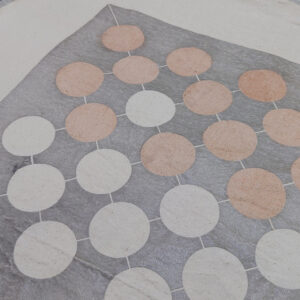
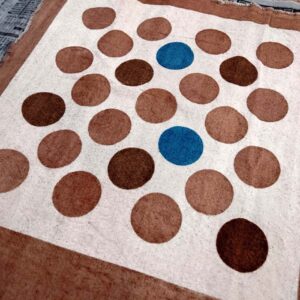
    先日にも紹介した“植物から得たタンニンで布を下染めし、媒染剤で反応させて異なった色を表現する染色技法”を研究しています。アフリカのボゴラン布や北インドのブロック・プリントなどが、そうした原理で染められていますが、ひとつ屋では日本の伝統的な糊を使った型染で、その表現にチャレンジしようと思っています。
    ただ、おおよその原理はイメージできるのですが、くっきりとした柄を出しながら色を分け、さらに堅牢度を保つには、どうやら作業の順序が非常に大切なようです。順序を間違えると思ったような色が出ないことに気づきました。それが、今回の試し染めです。これはこれで気に入ってはいますが、もう少し研究の必要があるようです。
    また、今回はワンポイントに藍染めを加えているのですが、これを染める方法から、化学染料が登場する前に日本で染められていた着物の染色技法にも私の興味は広がりつつあります。。まだまだ天然染料の研究を続けます! 楽しみにしていてください。

    ▼ 糊を置き、柿渋で染め始めた状態。
    天然染料のみでの表現

    天然染料のみでの表現

    I’m researching a dyeing technique that I introduced the other day, in which tannins obtained from plants are used to undercoat the fabric and react with a mordant to express different colors. Bogolan cloth from Africa and block prints from North India are dyed using this principle, and I would like to challenge this expression with stencil dyeing using traditional Japanese glue.
    However, I can imagine the general principle, but it seems that the order of the work is very important to separate the colors while producing a clear pattern and to maintain the fastness. I noticed that I didn’t get the colors the way I thought they would if I got the order wrong.That is the result of this trial dyeing that I uploaded. I like this one for now, but it looks like it needs a little more research.
    In addition, since I added indigo dyeing to the one point this time, my interest is expanding from the method of dyeing this to the dyeing technique of kimono that was dyed in Japan before the appearance of chemical dyes. I will continue to research natural dyes! Please look forward to.
    ※ I am sorry that my English is so bad.


    我正在研究前幾天介紹的一種染色技術,該技術使用從植物中獲得的單寧作為織物的底漆,並與媒染劑發生反應以呈現不同的顏色。 來自非洲的博戈蘭布和來自印度北部的版畫就是利用這一原理染色的,我想用傳統的日本膠水進行模版染色來挑戰這種表達方式。
    然而,我可以想像一般原理,但似乎工作順序對於在產生清晰圖案的同時分離顏色並保持牢度非常重要。 我注意到,如果訂單錯誤,我得到的顏色就不會像我想像的那樣。這是我上傳的試染結果。 我現在喜歡這個,但看起來需要更多的研究。
    另外,由於這次在其中加入了靛藍染色,所以我的興趣從這種染色方法擴展到了化學染料出現之前在日本染色的和服的染色技術。 我會繼續研究天然染料! 敬請期待。
    *對不起,我的台灣語不好。

  • 少しフォーマルなバッグ

    少しフォーマルなバッグ

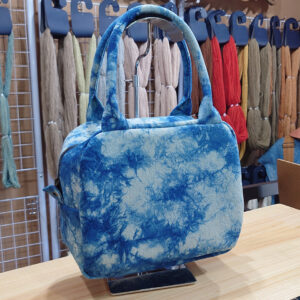
    今、ひとつ屋では“少しフォーマルなバッグを作ること”に挑戦しています。これはその中の試作品の一つです。高級感を出すためには、もう少し改良の余地はありますが、とてもいい感じにできました。
    ちなみに、これは空をイメージして藍で染めたキャンパス地で作っています。
    これからも、ひとつ屋が作るアイテムを楽しみにしていてください。


    Now we are trying to make a bag that is a little more formal. This is one of those prototypes. There is room for improvement a little more in order to give a sense of luxury, but it was completed very wonderfully.
    By the way, I made this with canvas dyed with indigo in the image of the sky.
    Please look forward to the items we make.
    ※ I am sorry that my English is so bad.


    現在我正在嘗試製作一個更正式的包。 這是它的原型之一。 雖然還有一些改進的空間,給人一種奢華的感覺,但它完成得非常好。
    順便說一下,這幅畫是用靛藍染色的畫布製成的,天空的圖像。
    請期待我們製作的商品。
    *對不起,我的台灣語不好。

  • 天然染料でカラフルなドット柄に!

    天然染料でカラフルなドット柄に!

    植物から得たタンニンで布を染め、さらにそれを各種の媒染剤で反応させて色や模様を表現する染織品が古くから世界各地に存在しています。西アフリカの伝統的な染織品であるボゴラン布をはじめ、北インドのブロック・プリント、さらには日本の大島紬が、そうした原理で染められています。
    以前からとても興味があった技法なのですが、なかなか自分の作品として昇華させることができず、その思いのまま手付かずの状態になっていました。
    最近、ドット柄のカバンを作り始めたのですが、その作業の途中で、ふと「あの方法で、いろんな色のドット柄にしよう!」という考えが浮かびました。
    先述した世界各地の染色技法に、日本の伝統的な方法、さらに自分なりの方法を加えて“天然染料だけでカラフルなドット柄”にチャレンジしようと思います。
    さて、うまくいきますやら!? 楽しみにしていてください!

    天然染料でカラフルなドット柄に!

    ▼ 以前に染めた「ボゴラン布」です。ボゴラン布については『西アフリカの伝統的な泥染め』をご覧ください。
    天然染料でカラフルなドット柄に!


    Dyed fabrics that express colors and patterns with various mordants on cloth dyed with vegetable tannins have existed all over the world for a long time. Bogoran cloth, a traditional dyeing product from West Africa, block prints from North India, and Oshima Tsumugi from Japan are all dyed using this principle.
    I’ve been very interested in this technique for a long time, but I couldn’t really sublimate it into my own work, and it remained untouched.
    Recently, I started making a bag with a polka dot pattern, and while I was working on it, I suddenly came up with the idea of “Let’s use that dyeing method to make polka dot patterns in various colors!”
    I would like to add traditional Japanese methods and my own methods to the above-mentioned dyeing techniques from all over the world and try to create “colorful dot patterns using only natural dyes”.
    I don’t know if it will work, but please look forward to it!
    ※ I am sorry that my English is so bad.


    在植物單寧染色的布料上用各種媒染劑表達顏色和圖案的染色織物在世界各地早已存在。 西非的傳統染色產品博戈蘭布、北印度的木版染色、日本的大島紬都是利用這一原理染色的。
    很長一段時間以來,我對這種技術很感興趣,但一直沒能真正將其昇華到自己的作品中,一直保持原狀。
    最近,我開始做一個波點圖案的包包,在做的過程中,我突然有了一個想法:“我們用那個染色方法來製作各種顏色的波點圖案吧!”
    我想將日本的傳統方法和我自己的方法添加到上述來自世界各地的染色技術中,並嘗試創造“僅使用天然染料的彩色點圖案”。
    不知道能不能成功,敬請期待!
    ※對不起我可憐的台湾語。

  • ミックス・ウールを織る

    ミックス・ウールを織る

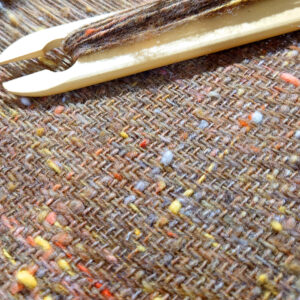
    今、以前に紹介したミックス・ウールの原毛を紡いだ糸で織っています(ブログ『初心忘るべからず』)。いろんな色が現れたり、毛玉が入っていたり—と、とてもおもしろい布が織り上がりそうです。ただ、ざっくりと紡いだので、経糸が何度も切れて苦労しています。
    当初はショールにでもしようかと思っていたのですが、縮絨してバッグかベストに仕立てようと思っています。

    ▼ ミックス・ウールの原毛

    ▼ 原毛を紡いで糸にする

    ▼ 紡いだ糸を綾織りしている

    ▼ さまざまな色や毛玉が入って、楽しいものになりそう!


    Right now, I’m weaving with the mixed wool yarn I uploaded here before. It appears in various colors and has pilling in it—it looks like a very interesting cloth will be woven. However, I spun it loosely, so when I turned it into warp, it broke many times and I had a hard time.
    At first, I was thinking of making it into a shawl, but I’m thinking of making it into a bag or a vest by fulling it.


    現在,我正在用我之前在這裡介紹過的混合羊毛線編織。 它有各種顏色,還有起球——看起來會織出很有趣的布料。
    然而,我把它紡得很鬆,所以當我把它變成經紗時,它斷了很多次,我很難過。
    起初,我想把它做成披肩,但我想把它做成包或做成背心。

  • 東洋的な美しさ

    東洋的な美しさ

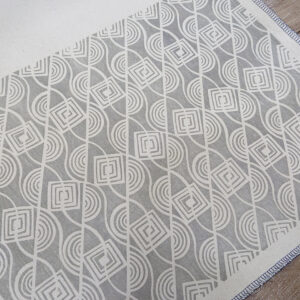
    作品を作るとき、いつも意識していることの一つに“東洋的な美しさ”を大切にするということがあります。それは日本を含めたアジア全体が共有する美しさです。これは日本の古い型紙のデザインですが、どこか西洋的で、しかも現代的なところが気に入っていて頻繁に使います。今回は柿渋で染めてバッグに仕立てようと思っています。

    東洋的な美しさ


    When I create works, what I value is “oriental beauty”. That is the beauty shared by all of Asia, including Japan. The paper pattern in this photo is an old Japanese design, but I like it because it is somewhat European and yet modern, so I use it often. This time, I’m thinking of dyeing this pattern with persimmon tannin and then making it into a bag.


    我創作作品時,看重的是“東方之美”。 這是包括日本在內的整個亞洲共有的美景。 照片中的花紋紙是日本的舊設計,但我喜歡它,因為它有歐洲的感覺,而且很現代,所以我經常使用它。 這一次,我想用柿子丹寧來染這個圖案,然後做成一個包包。