タグ: 型染

  • 藍の型染で雪を染める

    藍の型染で雪を染める

    「藍染め」といえば、何となく夏のイメージがするのは私だけでしょうか――。涼し気な色合いはもちろんのこと、そもそも絹や羊毛を染めるのには向かない染料なので、どうしても綿や麻になり、やはり夏のアイテムになってしまいます。
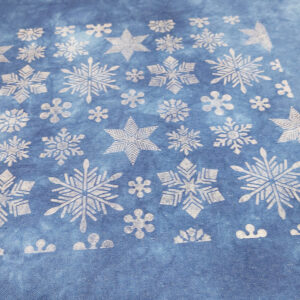
    冬のアイテムを作りたいと試行錯誤するのですが、なかなか思ったようなものになりません。今も“冬の夜にしんしんと降り積もる雪”を表現したいと、雪の結晶模様を墨と藍を使って染めたり、抜染したりするのですが、非常に難しい! そして、それ以上に苦戦しているのが、結晶の繊細な模様を型染することです。
    どうすればいいのか!? もう少し研究を続けます!

    ▼ 雪の結晶模様を墨と藍を使って染めている
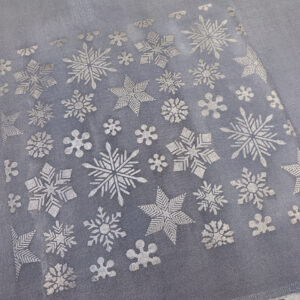
    藍の型染で雪を染める

    ▼ 雪の結晶模様を抜染で表現
    藍の型染で雪を染める


    Am I the only one who vaguely thinks of summer when it comes to indigo dyeing? In addition to the cool colors, indigo is not suitable for dyeing silk and wool, so it is inevitable that it will be cotton and linen, and it will be a summer item.
    I want to make a winter item, and I’m going through trial and error, but it’s not quite what I thought it would be. now, when I want to express the snow falling quietly on a winter night, I use ink and indigo to dye the snowflake pattern, or use discharge printing, but it is extremely difficult! And even more difficult is dyeing the delicate patterns of the snowflake.
    What should I do! ? i need more research about it.
    ※ I am sorry that my English is so bad.


    難道只有我一提到靛藍染色就隱約想起夏天嗎? 除了冷色之外,靛藍不適合染絲綢和羊毛,所以難免會是棉麻,成為夏季單品。
    我想做一件冬季單品,我正在經歷反複試驗,但它並不完全是我想像的那樣。 現在,當我想表現冬夜裡靜靜飄落的雪花時,我用墨水和靛藍來染雪花圖案,或者用拔染印花,但這是極其困難的! 更難的是染出雪花的精緻圖案。
    我應該怎麼辦! ? 我需要對此進行更多研究。
    *對不起,我的台灣語不好。

  • 天然染料だけでカラフルな型染ができないものか?

    天然染料だけでカラフルな型染ができないものか?

    少し前から“天然染料だけでカラフルな型染ができないものか?”と試行錯誤を続けています。化学染料が登場する以前から友禅や紅型があったので、必ずできるはずなのですが、それをネットで調べて模倣するのではなく、自分なりに探求し、何かしらの結果を出したいと思っています。
    以前にも紹介しましたが(『天然染料のみでの表現』)、“植物から得たタンニンで布を下染めし、媒染剤で反応させて異なった色を表現する染色技法”と“顔料を染め付ける方法”の2種類を同時に使っています。
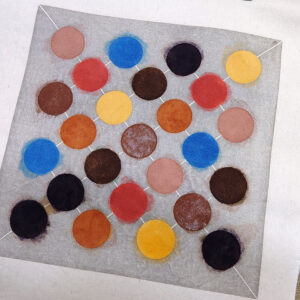
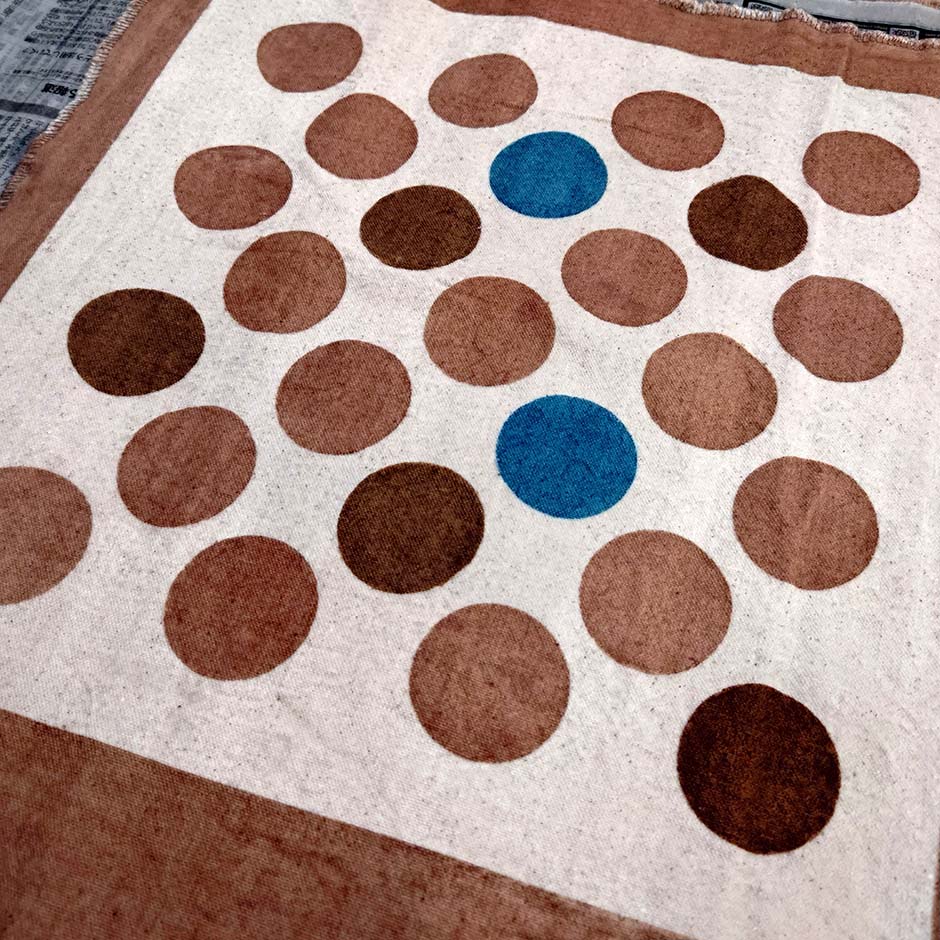
    これは、その二つの方法で綿布(帆布)に染めたものですが、イメージした色が出たものと、まったくそうではないものが混在しています。
    特に、顔料染めで色の4原色が可能になれば、ほぼ全ての色が可能になるはずです。、何かしらの結果まで、あと一歩です!

    ▼ 型染に天然染料で様々な色を挿してみた。
    天然染料だけでカラフルな型染ができないものか?

    天然染料だけでカラフルな型染ができないものか?

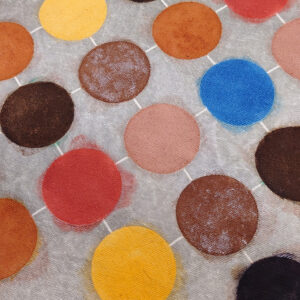
    ▼ 糊を落としてみた。思ったとおりになったところ、ならなかったところ—。もう少し研究が必要です。
    天然染料だけでカラフルな型染ができないものか?


    For some time now, I have been doing trial and error, wondering if it is possible to make colorful stencil dyeing using only natural dyes. Colorful stencil dyeing has existed since before chemical dyes appeared in Japan, so it should be possible, but I want to explore it in my own way and produce some kind of result, instead of looking it up on the internet and imitating it.
    As I wrote before, I use two methods at the same time: dyeing cloth with plant tannins and reacting with different mordants to express different colors, and a method of dyeing pigments.
    This is a cotton fabric (canvas) dyed by these two methods. Some have the colors I imagined and others do not at all.
    In particular, if the four primary colors become possible with pigment dyeing, almost all colors should become possible. You’re one step away from getting results!
    ※ I am sorry that my English is so bad.


    一段時間以來,我一直在反複試驗,想知道是否可以僅使用天然染料進行彩色模板染色。 彩色模板染色在日本出現化學染料之前就已經存在了,所以應該是可能的,但我想以自己的方式探索它並產生某種結果,而不是在互聯網上查找並模仿它。
    正如我之前寫的,我同時使用兩種方法:用植物單寧對布料進行染色並與不同的媒染劑反應以表達不同的顏色,以及用顏料染色的方法。
    這是用這兩種方法染色的棉織物(帆布)。 有些有我想像的顏色,有些則根本沒有。
    特別是,如果四基色通過顏料染色成為可能,那麼幾乎所有顏色都應該成為可能。 您距離獲得結果僅一步之遙!
    *對不起,我的台灣語不好。

  • 天然染料のみでの表現

    天然染料のみでの表現

    先日にも紹介した“植物から得たタンニンで布を下染めし、媒染剤で反応させて異なった色を表現する染色技法”を研究しています。アフリカのボゴラン布や北インドのブロック・プリントなどが、そうした原理で染められていますが、ひとつ屋では日本の伝統的な糊を使った型染で、その表現にチャレンジしようと思っています。
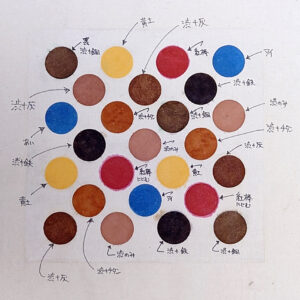
    ただ、おおよその原理はイメージできるのですが、くっきりとした柄を出しながら色を分け、さらに堅牢度を保つには、どうやら作業の順序が非常に大切なようです。順序を間違えると思ったような色が出ないことに気づきました。それが、今回の試し染めです。これはこれで気に入ってはいますが、もう少し研究の必要があるようです。
    また、今回はワンポイントに藍染めを加えているのですが、これを染める方法から、化学染料が登場する前に日本で染められていた着物の染色技法にも私の興味は広がりつつあります。。まだまだ天然染料の研究を続けます! 楽しみにしていてください。

    ▼ 糊を置き、柿渋で染め始めた状態。
    天然染料のみでの表現

    天然染料のみでの表現

    I’m researching a dyeing technique that I introduced the other day, in which tannins obtained from plants are used to undercoat the fabric and react with a mordant to express different colors. Bogolan cloth from Africa and block prints from North India are dyed using this principle, and I would like to challenge this expression with stencil dyeing using traditional Japanese glue.
    However, I can imagine the general principle, but it seems that the order of the work is very important to separate the colors while producing a clear pattern and to maintain the fastness. I noticed that I didn’t get the colors the way I thought they would if I got the order wrong.That is the result of this trial dyeing that I uploaded. I like this one for now, but it looks like it needs a little more research.
    In addition, since I added indigo dyeing to the one point this time, my interest is expanding from the method of dyeing this to the dyeing technique of kimono that was dyed in Japan before the appearance of chemical dyes. I will continue to research natural dyes! Please look forward to.
    ※ I am sorry that my English is so bad.


    我正在研究前幾天介紹的一種染色技術,該技術使用從植物中獲得的單寧作為織物的底漆,並與媒染劑發生反應以呈現不同的顏色。 來自非洲的博戈蘭布和來自印度北部的版畫就是利用這一原理染色的,我想用傳統的日本膠水進行模版染色來挑戰這種表達方式。
    然而,我可以想像一般原理,但似乎工作順序對於在產生清晰圖案的同時分離顏色並保持牢度非常重要。 我注意到,如果訂單錯誤,我得到的顏色就不會像我想像的那樣。這是我上傳的試染結果。 我現在喜歡這個,但看起來需要更多的研究。
    另外,由於這次在其中加入了靛藍染色,所以我的興趣從這種染色方法擴展到了化學染料出現之前在日本染色的和服的染色技術。 我會繼續研究天然染料! 敬請期待。
    *對不起,我的台灣語不好。

  • エキゾチックな型紙

    エキゾチックな型紙

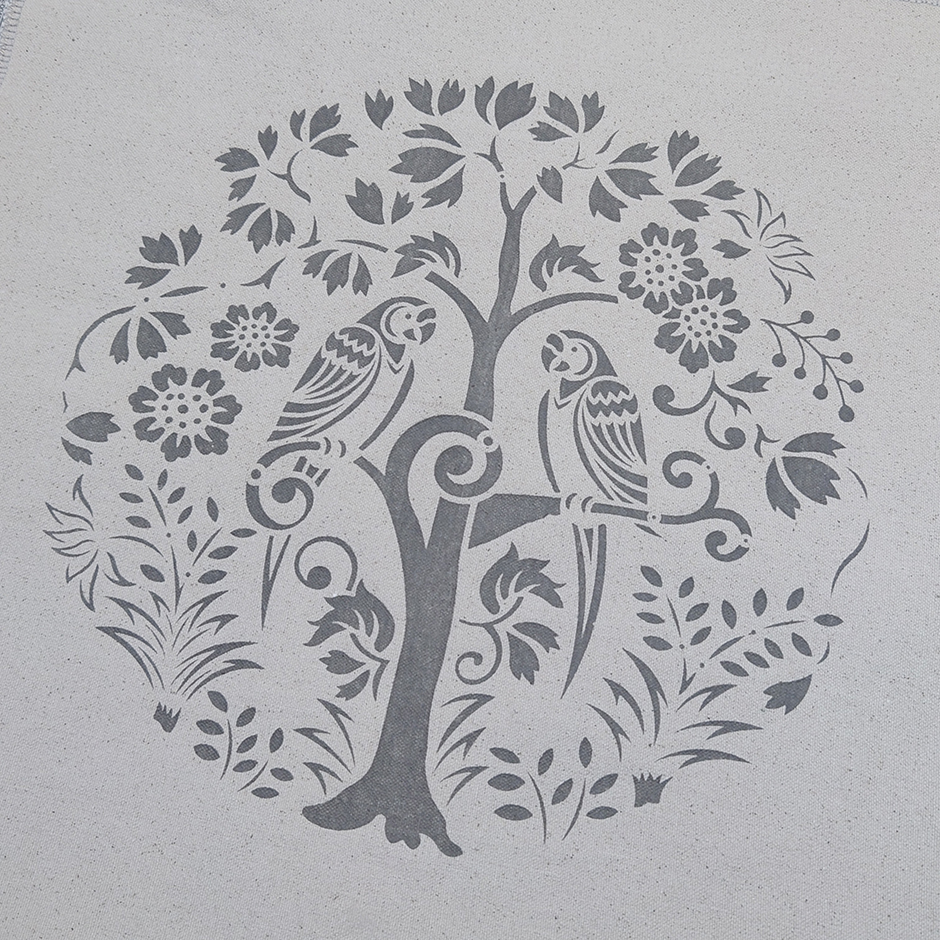
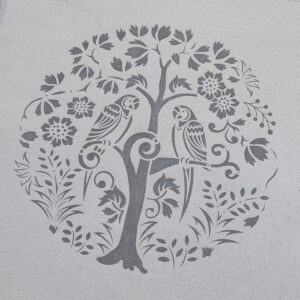
    どことなくオリエンタルでエキゾチックな型紙をデザインしてみました。カバンに仕立てようと思っています。

    エキゾチックな型紙

    I designed a somewhat oriental and exotic paper pattern. I plan to make it into a bag.

    我設計了一個有點東方和異國情調的紙樣。 我打算把它做成一個袋子。

  • 草木染めによる型染

    草木染めによる型染

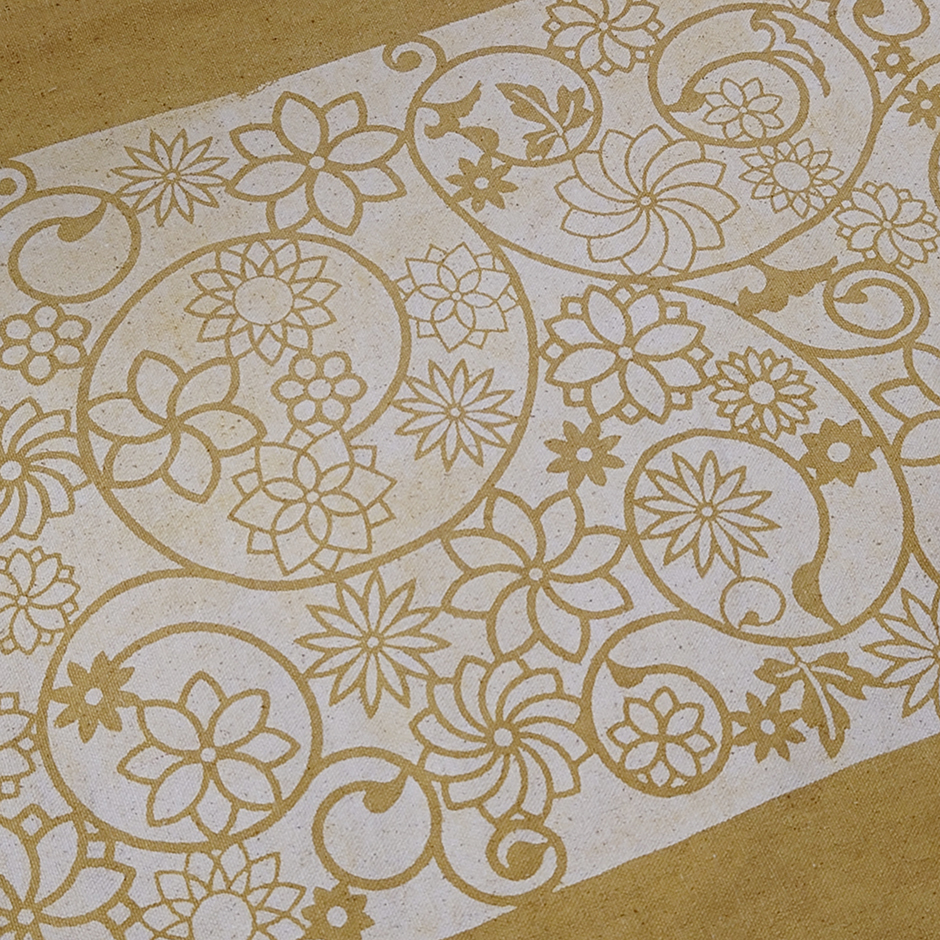
    レモングラスで帆布を型染をしてみました。思った以上に美しく染めることができました。この布でカバンを縫おうと思っています。楽しみにしていてください!

     草木染めによる型染


    I tried stencil dyeing canvas with lemongrass. It dyed more beautifully than I imagined. I’m thinking of sewing a bag with this canvas. Please look forward to!


    我嘗試用​​檸檬草對帆布進行模版染色。 染得比我想像的還要漂亮。 我想用這塊帆布縫一個包。 敬請期待!